
Essential DJ Sound and Lighting for Weddings
- djpheniks21
- Oct 20, 2025
- 5 min read

When it comes to weddings, the right atmosphere can make or break the celebration. You want your guests to feel the energy, dance the night away, and remember the event for years to come. That’s where a solid DJ lighting setup and sound system come into play. Trust me, I’ve seen weddings transform from “meh” to magical just by dialing in the perfect mix of lights and sound.
If you’re planning a wedding or helping organize one, you might be wondering what exactly you need to create that unforgettable vibe. Let’s dive into the essentials of DJ sound and lighting, focusing on what works best for weddings, especially in South Florida’s vibrant event scene.
Why Your DJ Lighting Setup Matters More Than You Think
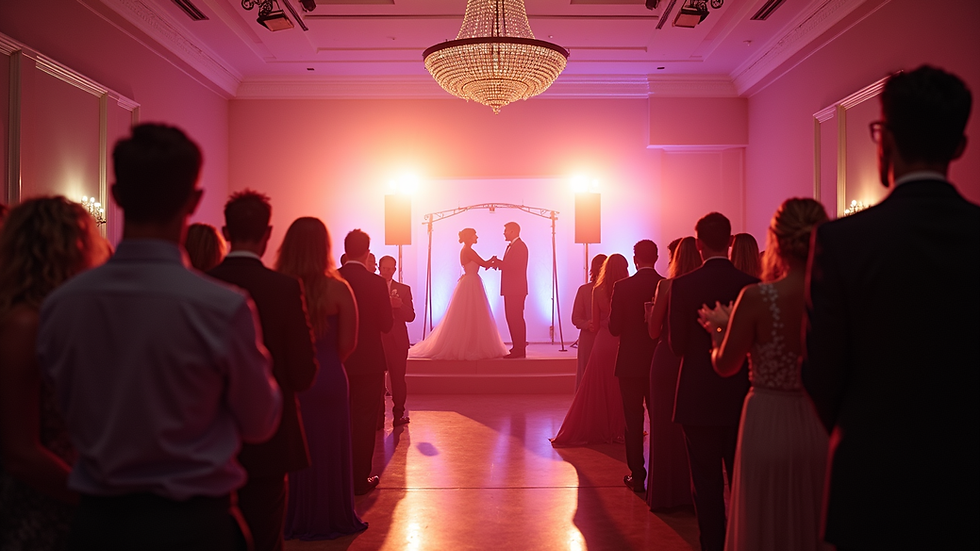
You might be thinking, “Isn’t the music the main thing?” Sure, music is king, but lighting is the queen that sets the mood. Imagine a dimly lit room with just a few candles versus a dynamic light show that syncs with the beat. Which one sounds more exciting?
Here’s why your dj lighting setup is crucial:
Sets the Mood - Soft, warm lights create a romantic vibe during dinner, while colorful, moving lights pump up the dance floor.
Enhances Photos and Videos - Good lighting means your wedding photos and videos will look stunning, capturing every joyful moment.
Keeps Guests Engaged - Lighting that changes with the music keeps the energy high and guests on their feet.
Defines Spaces - Use lighting to highlight the dance floor, cake table, or even the entrance for a wow factor.
For example, a couple I worked with last year wanted a beach-themed wedding in Miami. We used blue and green lights to mimic ocean waves, and the guests loved how immersive the experience felt.

Building Your Perfect DJ Lighting Setup: What You Need to Know
If you’re new to event planning or just want to make sure you’re covering all bases, here’s a straightforward breakdown of the key components for a wedding DJ lighting setup:
1. Basic Lighting Fixtures
Par Cans: These are your workhorse lights. They provide a wash of color and are great for uplighting walls or tables.
LED Moving Heads: These lights move and change colors, patterns, and intensity. They’re perfect for creating dynamic effects on the dance floor.
Spotlights: Use these to highlight special moments like the first dance or cake cutting.
2. Uplighting
Uplighting is all about placing lights on the floor to shine upwards, adding depth and color to the venue. It’s subtle but powerful. You can match the wedding colors or create a gradient effect.
3. Effect Lights
Strobe Lights: Flashing lights that add excitement during high-energy songs.
Laser Lights: For a modern, club-like vibe.
Gobos: These are stencils placed in front of lights to project patterns or even custom logos onto walls or floors.
4. Control System
A lighting controller or software lets the DJ or lighting technician sync lights with the music. This synchronization is what makes the whole experience feel seamless and professional.
5. Power and Safety
Don’t forget about power sources and cables. Make sure everything is safely set up to avoid tripping hazards or blown fuses.

What are DJ Lights Called?
If you’re new to the world of DJ lighting, the terminology can be a bit confusing. Here’s a quick glossary of the most common DJ lights you’ll encounter:
Par Can Lights: Traditional stage lights that provide a broad wash of color.
Moving Head Lights: Versatile lights that can pan, tilt, and change colors or gobos.
LED Bars: Long strips of LED lights used for uplighting or stage effects.
Strobe Lights: High-speed flashing lights that create a sense of motion.
Laser Lights: Sharp beams of light that can create intricate patterns.
Gobos: Metal or glass templates inserted into lights to project shapes or logos.
Wash Lights: Lights that cover large areas with soft, even color.
Spotlights: Focused beams used to highlight specific areas or people.
Knowing these terms will help you communicate better with your DJ or lighting provider. For example, if you want a “moving head” effect, you’ll know exactly what to ask for.
How to Choose the Right DJ Sound and Lighting for Your Wedding
Choosing the right setup can feel overwhelming, but it doesn’t have to be. Here’s a simple guide to help you make smart decisions:
1. Consider Your Venue
Indoor or outdoor? Large ballroom or intimate garden? The size and layout affect what kind of sound and lighting you’ll need. Outdoor venues might require more powerful speakers and weather-resistant lights.
2. Match the Style
Are you going for classic elegance, modern chic, or a fun party vibe? Your lighting colors and effects should reflect the theme. For example, soft amber uplighting works well for a vintage wedding, while bright RGB lights suit a contemporary celebration.
3. Think About Your Timeline
Different parts of the wedding call for different lighting moods. Dinner and speeches might need warm, steady lighting, while the dance party calls for dynamic, colorful effects.
4. Budget Wisely
Quality matters, but you don’t have to break the bank. Prioritize key elements like uplighting and moving heads, and skip extras like lasers if they don’t fit your style or budget.
5. Hire Professionals
This is where working with a trusted company like Pheniks Sound & Lighting Plus makes a huge difference. They know how to tailor the setup to your venue and preferences, ensuring everything runs smoothly.

Tips for Working with Your DJ and Lighting Team
Once you’ve booked your DJ and lighting provider, here are some tips to get the best results:
Communicate Your Vision: Share your wedding theme, favorite songs, and any must-have moments.
Schedule a Walkthrough: If possible, visit the venue with your DJ and lighting team to plan the setup.
Ask About Equipment: Confirm what gear they’ll bring and if it fits your venue’s power and space.
Discuss Timing: Make sure they know when to start setup and when the party officially begins.
Plan for Backup: Ask about contingency plans for technical issues or weather if outdoors.
Remember, the goal is to create a seamless experience where the music and lighting work together to keep everyone entertained and engaged.
Bringing It All Together for an Unforgettable Wedding Night
At the end of the day, your wedding is about celebrating love and joy. The right dj sound and lighting setup can elevate that celebration to something truly special. Whether it’s the soft glow during your first dance or the pulsing lights that get everyone on the dance floor, these elements create memories that last.
If you’re in South Florida and want a hassle-free, professional experience, consider partnering with experts who understand the local vibe and venues. They’ll help you craft a lighting and sound experience that fits your style and makes your big day shine.
Ready to light up your wedding night? Start planning your DJ lighting setup today and watch your celebration come alive!
Happy planning and here’s to a night full of music, lights, and unforgettable moments!


Comments